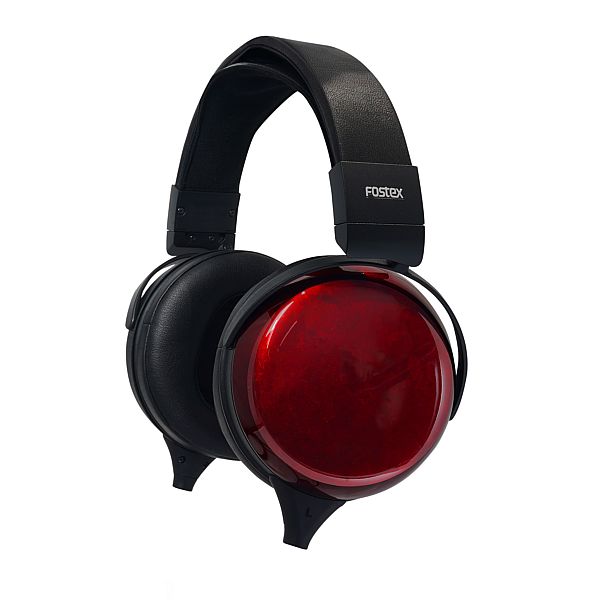
$12.97
$22.7
Why Vacuum Tubes? Vacuum tubes, despite being older technology, have been cherished by audiophiles for decades for their unique ability to enhance musical sound. While modern solid-state amplification is more common, tubes possess distinctive characteristics that make music sound richer and more lifelike. One of the primary reasons tubes are preferred is the harmonic distortion they produce. In audio reproduction, distortion usually carries negative connotations—but not all distortion is bad; some of the right kind can actually be beneficial. Harmonic distortions produced by vacuum tubes are primarily even-order and are perceived as musically pleasing and in tune with the primary signal, thus adding a sense of warmth and fullness to the sound. Even-order harmonic distortion mimics the natural overtones found in live instruments and vocals, making the music sound more authentic and emotionally engaging. Solid-state amplification, by contrast, produces odd-order harmonic distortions, which can make the sound feel unnatural and harsher to the ear. Tubes also excel in how they handle clipping, which occurs when an amplifier reaches the limits of its power capacity. In solid-state amplifiers, clipping introduces abrupt, harsh distortion that can be grating. In contrast, vacuum tubes clip more gently and smoothly. Instead of creating a jarring, sharp cutoff, tubes soften the transition into distortion. This smooth clipping allows the music to maintain its integrity, even at high volumes or when the amplifier is pushed to its limits. Another aspect of tube amplifiers is their dynamic response. Tubes react more organically to quick changes in volume and intensity of a musical track, giving the sound more depth and dimension. They can convey subtle nuances in a performance, making the music feel more alive and dynamic. Solid-state amplifiers, on the other hand, can sometimes sound flat or sterile, as they don’t interact with the music in the same way. In terms of frequency response, tube amplifiers often produce a slightly warmer sound, especially in the midrange frequencies. This is the range where much of the human voice and many instruments reside. The warmth of tube amplification complements these frequencies, giving vocals and instruments a more natural, human quality. This is why listening to music through tube amplifiers feels closer to a live performance. The richness in this midrange is something that solid-state amplifiers, despite their technical accuracy, often lack. There’s also a psychological element to the preference for vacuum tubes. Music lovers often describe tube sound as more emotional or involving. This could be due to the subtle imperfections and organic distortions introduced by tubes, which create a sense of presence and realism that sterile, more accurate digital amplification may miss. The slight inaccuracies in a tube’s reproduction of sound can add to its charm, much like how vinyl records are appreciated for their warmth and character, despite also having measurable imperfections compared to digital formats. While solid-state amplifiers are more efficient and cost-effective, these qualities do not necessarily translate to better sound quality. The technical perfection of solid-state systems often leads to a colder, more clinical sound, leading to listening fatigue over longer sessions. The very attributes that make solid-state amplifiers more practical—such as low distortion and high efficiency—can strip away the warmth, character, and emotion of the music. Vacuum tubes, however, make music sound better by enhancing the natural harmonic structure of the sound and providing a warmer, more dynamic listening experience. Their unique qualities deliver an emotional connection to music that solid-state amplifiers often struggle to replicate. Dual-Mono Amplification vs. Regular Stereo Why Dual-Mono Is the Superior Choice for a More Spatial and Real Listening Experience When it comes to high-quality audio, the equipment you choose can make all the difference. Many audiophiles, musicians and music lovers swear by the power of dual-mono amplification, claiming it provides a much richer, more immersive listening experience compared to regular stereo setups. But what exactly makes dual-mono so special, and why do some say it’s the superior choice? Let’s dive in. What’s the Difference Between Dual-Mono and Stereo? At its core, the difference between regular stereo amplification and dual-mono comes down to how the left and right channels are handled. In a typical stereo setup, a single amplifier is used to power both the left and right channels. This means that the amplifier must split its resources between both channels, which can sometimes lead to interference or crosstalk, where signals from one channel bleed into the other. Dual-mono amplification, on the other hand, uses two completely separate amplification pathways—one dedicated to the left channel and one to the right. This separation eliminates the possibility of interference between the two channels, offering a purer, more detailed sound. The Benefits of Dual-Mono Amplification Clearer Soundstage The most noticeable benefit of dual-mono amplification is the wider, more defined soundstage it creates. By completely isolating the left and right channels, each speaker gets a dedicated, unshared signal. This results in a cleaner, more precise separation between instruments and voices, allowing you to pinpoint exactly where each sound is coming from. It’s almost like you’re listening to a live performance, where everything has its place in space. Enhanced Spatial Depth When you’re listening to music, there’s a sense of space that should accompany every note. Dual-mono amps excel at creating this three-dimensional sense of depth. With no signal interference between the two channels, the audio feels more expansive. The sound doesn’t just come from the speakers; it seems to surround you, making your listening experience feel more like you’re in the room with the performers. It’s the difference between hearing a flat, two-dimensional sound and one that feels alive and dynamic. More Accurate Bass Response Bass frequencies are notoriously tricky to get right, but dual-mono amplification handles them with impressive precision. Since the left and right channels are completely independent, bass sounds stay tight and focused. There’s less chance of distortion or muddiness that can occur when a single amplifier tries to drive both channels at once. This results in cleaner, more accurate bass that does not muddy the midrange. Improved Clarity and Detail By eliminating any possibility of crosstalk between channels, dual-mono amps provide a level of clarity and detail that’s hard to match. You’ll hear more of the subtleties in your music—the delicate pluck of a guitar string, the breath of a vocalist, the soft thud of a kick drum. It’s the kind of detail that pulls you deeper into the music, making every song feel like a new experience. Why Dual-Mono Is Superior While regular stereo can certainly provide great sound, dual-mono amplification takes it to the next level. If you’re looking for a listening experience that’s not just good, but extraordinary, dual-mono is the way to go. The enhanced clarity, improved spatial depth, and more accurate bass create an audio environment that feels far more lifelike and real. In the world of high-fidelity audio, the goal is to bring you closer to the music, to make it feel as though you’re right there with the artist. The dual-mono amplification signal path we designed for écoute audio headphones doesn’t just get you closer—it puts you in the front row, in the best seat of the house.
Headphones